Installing New Surgical Equipment in an Existing Facility: What Needs...
Read MoreDesigning Reel Holder Rack Systems for Better Flow, Access and Storage
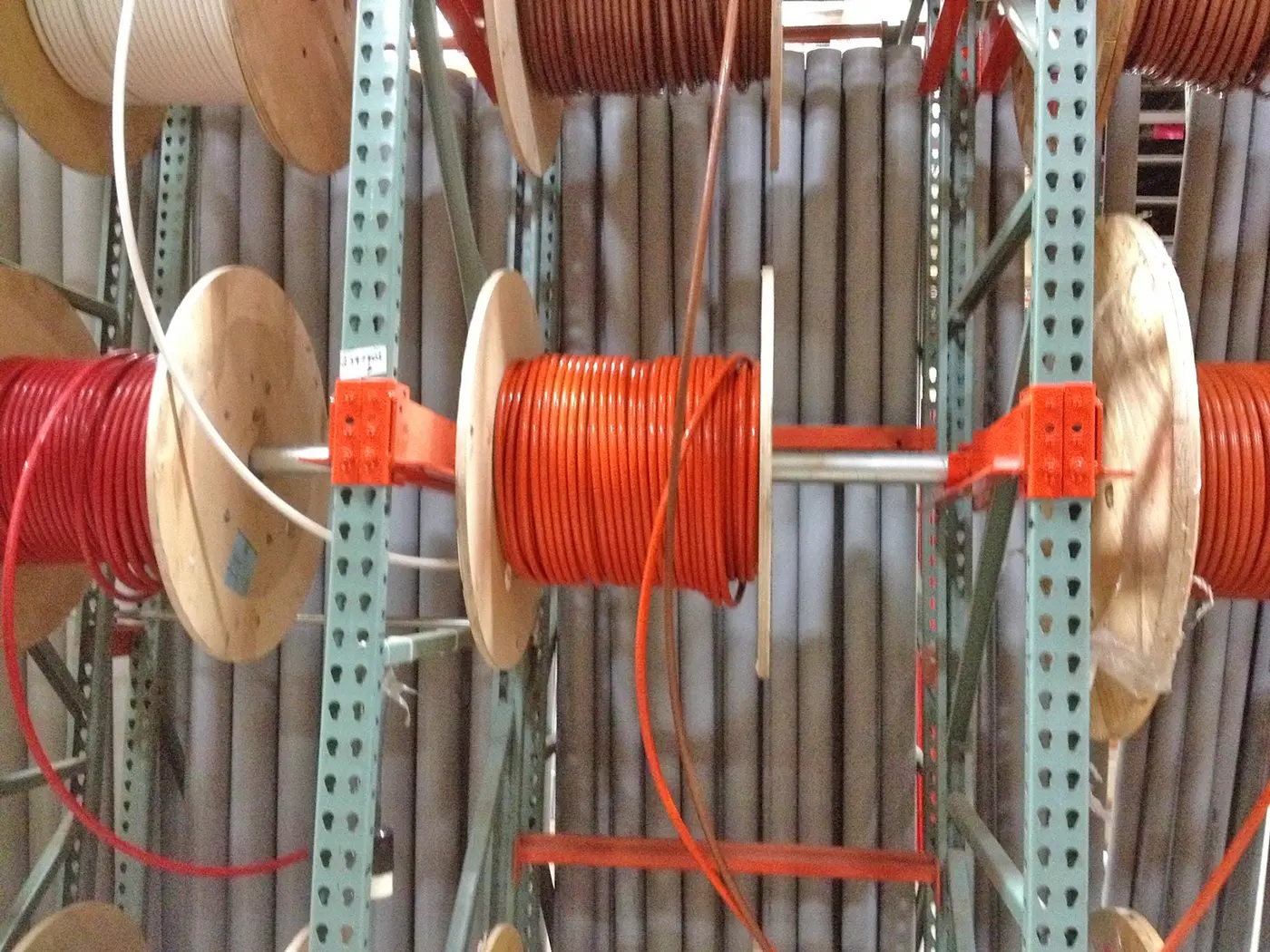
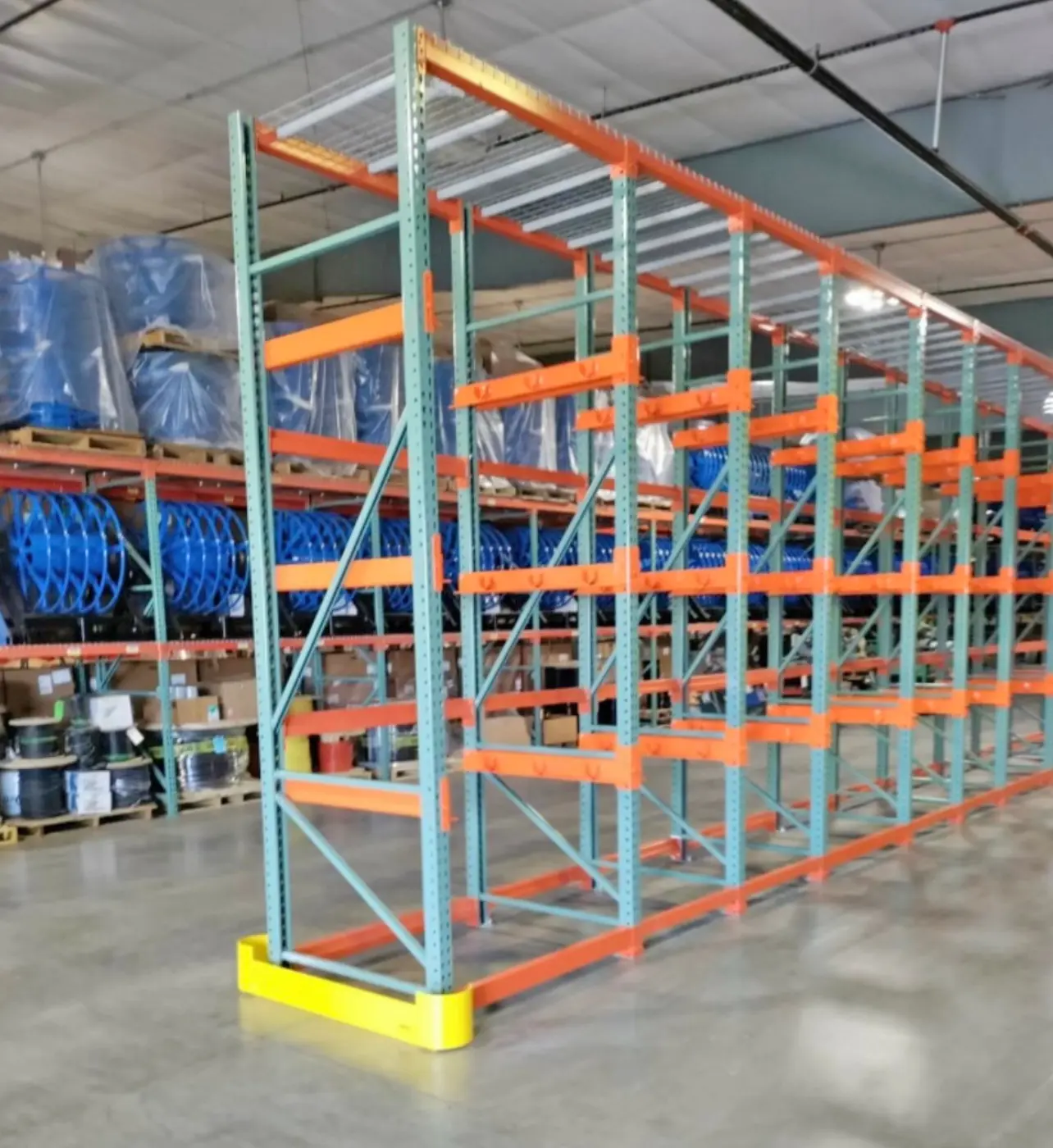
Reel holder racking systems are used in material handling environments to store and dispense wire, hose, and cable efficiently.
That is their primary function.
Like any racking system, the real value is not just in the product. It is in how the system is designed and applied across the facility. When reel holders are planned correctly, they improve access, reduce handling, and keep materials controlled. When they are not, they create bottlenecks, safety concerns, and wasted time.
Design matters.
Start with the Material, Not the Rack
Every effective racking system starts with one question:
What are you storing?
With reel holders, that means understanding:
- Reel diameter and width
- Weight per reel
- Core size and shaft requirements
- Material type
- Frequency of use
These details determine everything that follows.
Larger, heavier reels require different support and spacing than smaller, high-turn items. If that is not accounted for early, the system will not perform the way it should.
Understand How the Material Moves
Storage is only part of the equation. Movement drives design.
Key considerations include:
- How often reels are accessed
- Whether material is dispensed directly from the rack
- How reels are loaded and unloaded
- Who is handling the material and how
For example:
- High-use reels should be placed at accessible heights
- Frequently dispensed materials should be positioned for easy pull and control
- Lower-use inventory can be stored higher or in less accessible locations
When flow is ignored, even a well-built system becomes inefficient.
Design for Access and Control
Reel holders are not just about storage. They are about controlled access.
A well-designed system should:
- Allow smooth, consistent dispensing
- Prevent tangling or material damage
- Minimize excessive handling
- Keep operators in a safe, stable position
This often comes down to spacing, shaft design, and positioning.
» Too tight, and reels are difficult to load or turn.
» Too loose, and materials become unstable or disorganized.
Control is what separates a functional system from a frustrating one.
Integrate Reel Holders into the Overall Rack Layout
Reel holders should not be treated as a standalone solution. They are part of the broader racking system and overall layout.
That means aligning them with:
- Aisle widths and traffic flow
- Forklift or cart access
- Adjacent shelving or pallet rack
- Workstations or points of use
If reel holders are placed without considering the surrounding layout, they can disrupt movement instead of supporting it.
When integrated properly, they contribute to a clean, efficient flow through the space.
Explore Adams’ facility design and material handling services: https://www.adamsfargo.com/our-services/
See real-world project applications: https://www.adamsfargo.com/our-projects/
Plan for Loading and Replenishment
One of the most overlooked aspects of reel holder design is how reels are loaded.
Questions to address:
- Are reels loaded manually or by equipment?
- Is there enough clearance for loading?
- Are shafts easily removable or adjustable?
- Can loading be done safely without strain or awkward positioning?
If loading is difficult, it will slow down operations and increase the risk of injury.
A good system supports both use and replenishment.
Use Vertical Space Intentionally
Like any racking system, reel holders offer an opportunity to use vertical space.
However, not all positions should be treated equally.
- Lower levels should support high-frequency use
- Mid-levels should balance access and capacity
- Upper levels should be reserved for lower-turn inventory
Stacking capacity without considering access often leads to inefficiency.
Vertical space is valuable, but only when it is usable.
Think Beyond Standard Applications
Reel holders are designed for spooled materials, but their structure allows for broader use.
They provide:
- Elevated storage
- Controlled positioning
- Easy access to supported items
These characteristics can apply to non-traditional materials that benefit from organization and accessibility.
In some facilities, that may include:
- Non-standard materials that do not fit shelving
- Items that require controlled handling
- Seasonal or overflow storage
The key is not to force a system into a role, but to recognize where its capabilities align with the need.
Safety Is Part of the Design
Reel holders carry weight, movement, and interaction. Safety should be built into the design from the start.
Consider:
- Load ratings and structural support
- Proper shaft engagement and locking
- Safe access heights
- Clear spacing between reels
- Stable loading and unloading procedures
A well-designed system reduces risk by making the right way the easy way.
Learn more about facility safety improvements: https://www.adamsfargo.com/safety-isnt-seasonal-5-smart-ways-to-improve-facility-safety/
The Adams Approach
At Adams, reel holders are not treated as a product decision. They are part of a system.
We evaluate:
- The material being stored
- How it moves through the operation
- How often it is accessed
- How the space is used today and how it may change
From there, the system is designed to support the work, not just hold the material.
» Sometimes that is straightforward.
» Sometimes it requires a different approach.
Either way, the focus is the same. Make the system work.
Key Takeaways for Rack Design
- Reel holder design starts with material and usage
- Access and flow are as important as storage
- Integration with overall rack layout is critical
- Proper design improves safety and efficiency
Reel holders are a simple concept, and like any racking system, performance comes down to design. When material, movement, access, and layout are aligned, the system works the way it should.
Understanding the capability of the system is what creates better outcomes.
If you are planning a racking system or looking to improve how materials are stored and accessed, it starts with the right design.
Before You Build Bigger, Take Another Look at the Building You Already Have
Before You Build Bigger, Take Another Look at the Building...
Read MoreThe First Cold Morning Tells You Everything About Your Facility
The First Cold Morning Tells You Everything About Your Facility...
Read MoreHow to Know When Your Warehouse Needs a Facility Walkthrough | Adams
Learn the signs that indicate it may be time for...
Read MoreWorkstations That Work as Hard as Your Team | Warehouse Workstations & Storage Solutions
Discover how the right workstation, storage cabinets, and facility solutions...
Read MoreReel Holder Rack Design | Material Handling & Storage Systems | Adams
Learn how reel holder rack systems improve material flow, storage...
Read More