Installing New Surgical Equipment in an Existing Facility: What Needs...
Read MoreBefore You Build Bigger, Take Another Look at the Building You Already Have
Success has a funny way of disguising itself.
-
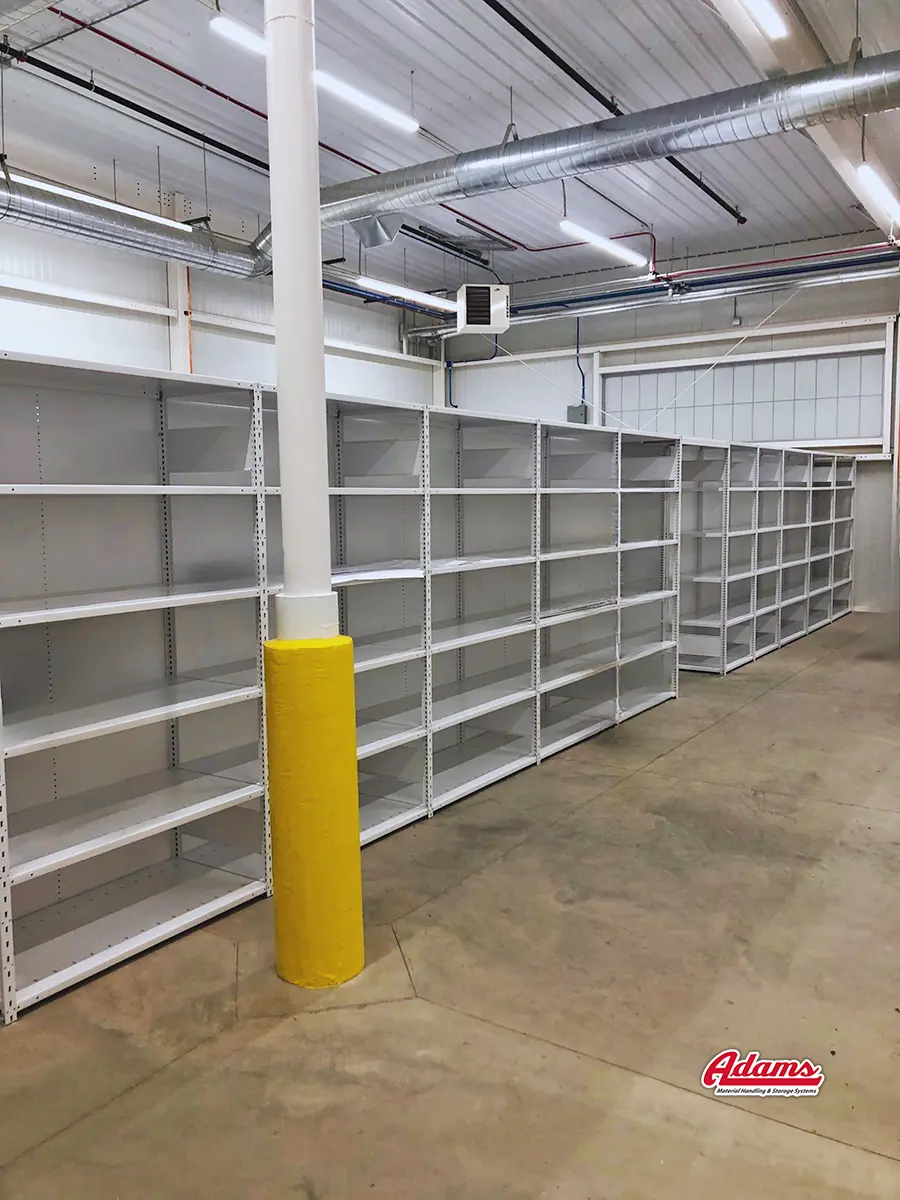
- Success has a funny way of disguising itself
-
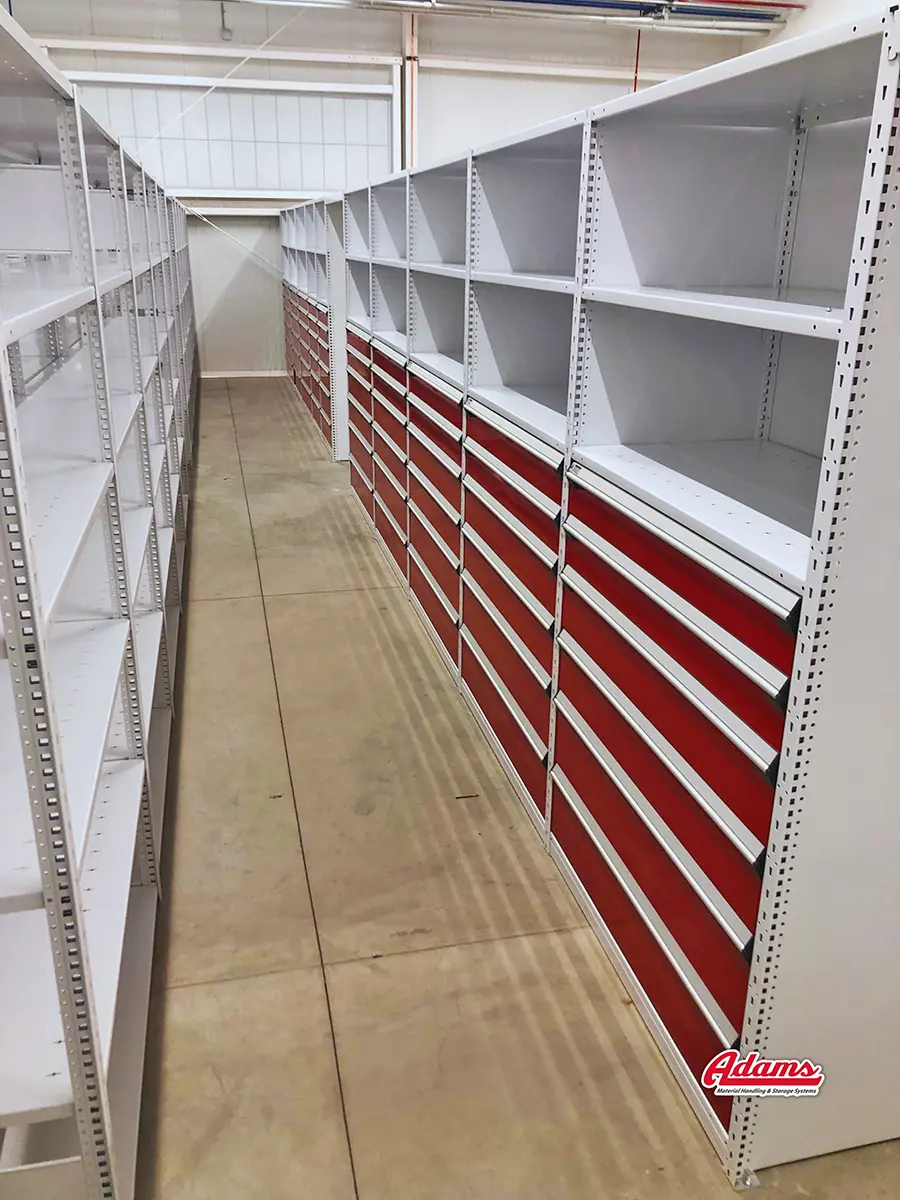
- Success has a funny way of disguising itself
It doesn’t always arrive with a ribbon cutting or a new facility. More often, it shows up quietly. Another customer is added. A new product line takes off. Inventory grows. The service department gets busier. A few more people joined the team. Each of those milestones is worth celebrating, but they also leave their mark on a building.
One cabinet becomes two. Shelving stretches a little farther down the wall. Shipping borrows space from receiving because that’s what makes sense at the time. A pallet finds a temporary home in the aisle and, before anyone realizes it, temporary becomes permanent.
No one planned for the warehouse to evolve this way. It simply reflects the reality of a growing business.
Eventually, someone looks around and says, “We’ve outgrown this building.”
Maybe.
But that’s not the first conclusion we would reach.
One of the advantages of spending decades inside warehouses is learning that buildings rarely stop working overnight. More often, they gradually fall out of step with the businesses they support. The operation changes. Customer expectations change. Product mix changes. The building, however, is still organized around decisions that were made five, ten, or twenty years ago.
That’s a planning issue, not necessarily a space issue.
There’s an important distinction.
When we walk through a facility for the first time, we’re not thinking about products. We’re paying attention to the operation. We watch how materials move through the building. We notice where people hesitate, where forklifts wait, and where inventory seems to collect. We ask questions about what has changed in the business over the past several years because those answers almost always explain what we’re seeing on the floor.
Sometimes the opportunities are obvious. Vertical space has never been fully utilized. A parts department has outgrown the layout that once served it well. Receiving and shipping compete for the same space because both have grown faster than anyone anticipated. Other times the improvements are more subtle. A workstation can be reconfigured. A storage area can be relocated. A traffic pattern can be simplified.
None of those observations begin with the question, “What can we sell?”
They begin with a different question altogether.
“What does this business need in order to operate better?”
The answer might be pallet rack. It might be shelving. It might be a mezzanine, a modular office, Rousseau workstations, or a completely different approach to organizing the space. Occasionally, the right recommendation is to change very little. Every project is different because every business is different.
That philosophy has always mattered to us.
Anyone can recommend more equipment. The harder, and more valuable, exercise is understanding whether the investment genuinely improves the customer’s operation. If it doesn’t create better flow, better organization, safer working conditions, or room for future growth, it’s difficult to call it a good investment, no matter how impressive it looks on paper.
We’ve found that the best projects rarely begin with a product. They begin with curiosity.
They begin with walking the warehouse without preconceived answers. They begin with listening to the people who work there every day. They begin with understanding where the business has been and where it’s headed next.
Only then does it make sense to talk about equipment.
The irony is that many companies already possess the capacity they’re looking for. It’s simply hidden in plain sight. It’s in the unused vertical space above existing storage. It’s in workflows that no longer reflect the way the business operates today. It’s in layouts that were designed for yesterday’s challenges instead of tomorrow’s opportunities.
That’s why we believe the most valuable investment often isn’t a bigger building.
It’s a better plan.
Because a well-planned facility does more than create storage. It creates confidence. Confidence that inventory is where it belongs. Confidence that employees can work efficiently and safely. Confidence that the operation is prepared for whatever comes next.
Buildings don’t create those outcomes.
Thoughtful planning does.
The Adams Perspective
The best recommendations aren’t always the biggest ones. They’re the ones that create lasting value for the customer.
Sometimes that means adding storage. Sometimes it means rethinking the way a facility works. Either way, the goal is the same: to help our customers make decisions they’ll be glad they made five years from now, not just five months from now.
Before You Build Bigger, Take Another Look at the Building You Already Have
Before You Build Bigger, Take Another Look at the Building...
Read MoreThe First Cold Morning Tells You Everything About Your Facility
The First Cold Morning Tells You Everything About Your Facility...
Read MoreHow to Know When Your Warehouse Needs a Facility Walkthrough | Adams
Learn the signs that indicate it may be time for...
Read MoreWorkstations That Work as Hard as Your Team | Warehouse Workstations & Storage Solutions
Discover how the right workstation, storage cabinets, and facility solutions...
Read MoreReel Holder Rack Design | Material Handling & Storage Systems | Adams
Learn how reel holder rack systems improve material flow, storage...
Read More